
Tensile membrane structures
Redefining open spaces with creative tensile architecture.
- Home
- Tensile membrane structures
Key features of tensile membrane structures
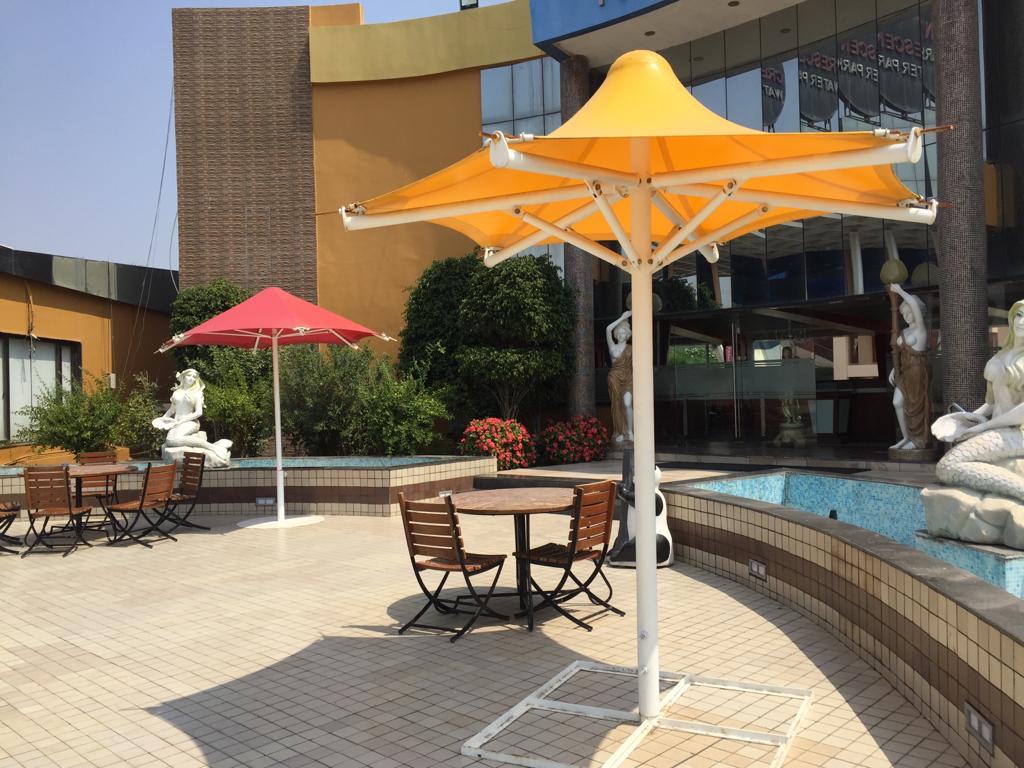
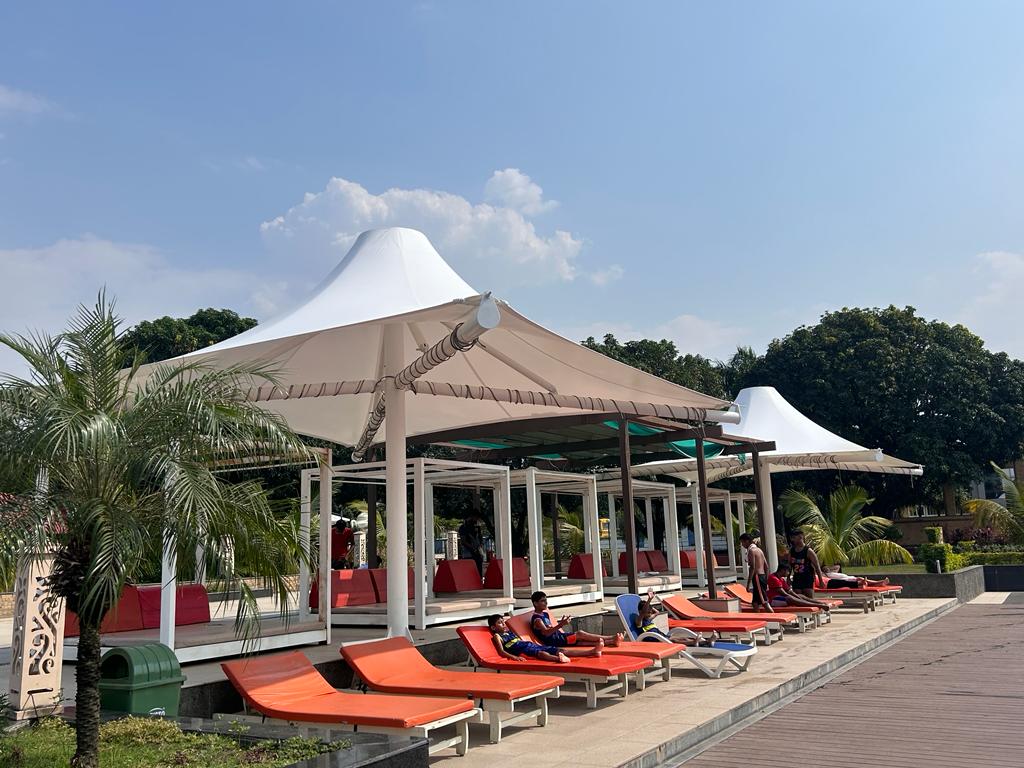
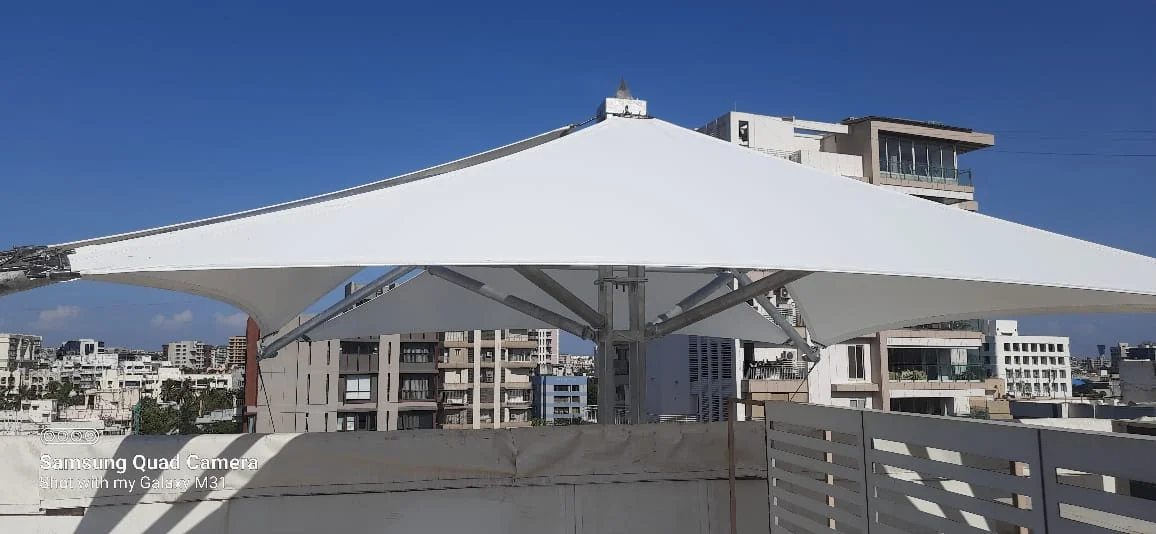
Structural characteristics
- Tension-only construction
- Lightweight
- Long-span capability
- Durability and weather resistance
Aesthetic and functional features
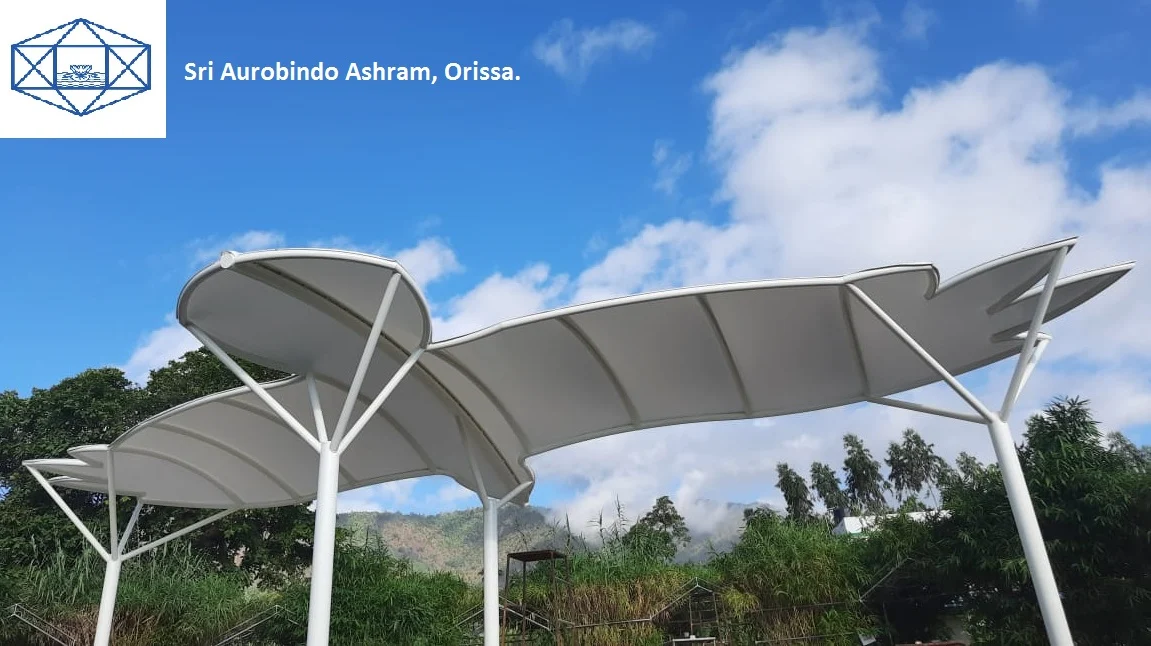
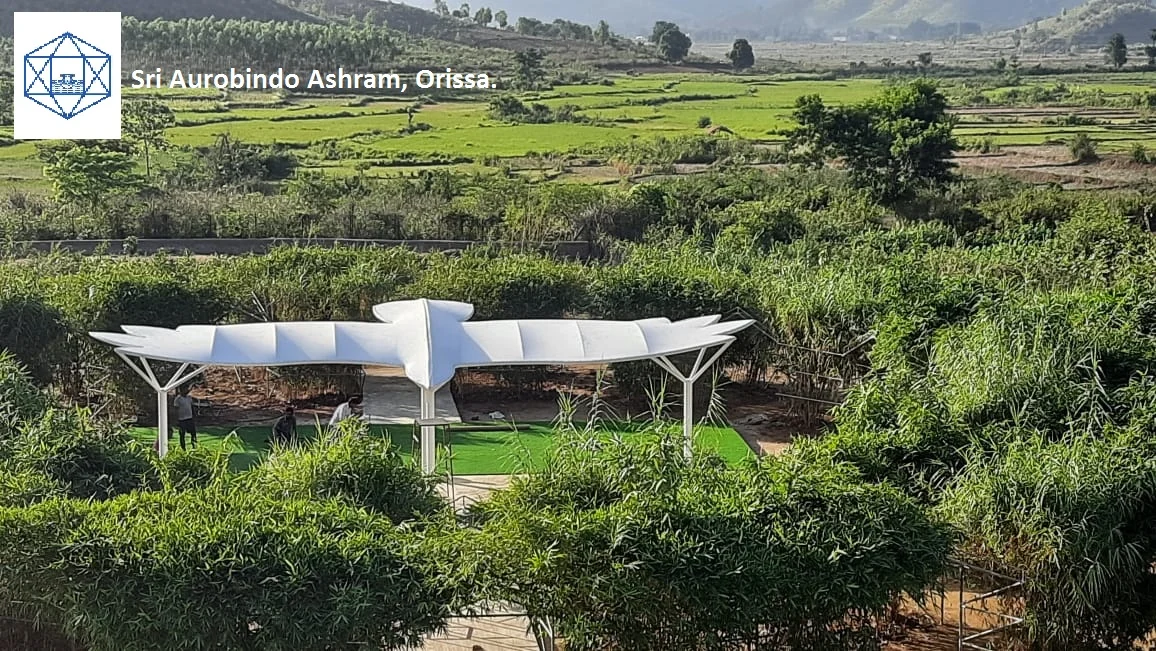
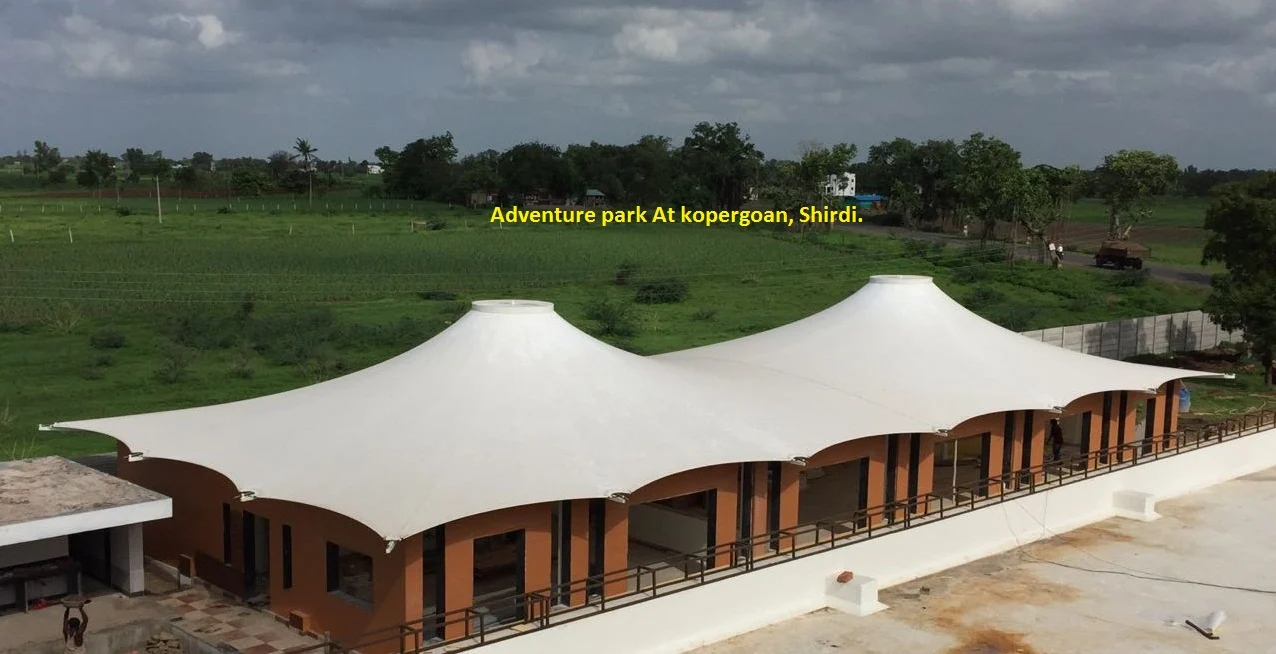
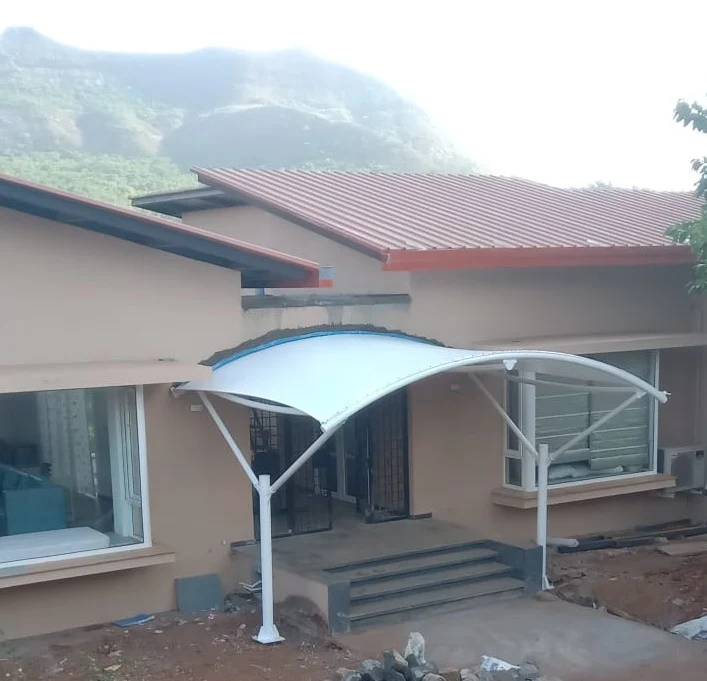
- Design versatility
- Translucency and natural lighting
- Energy efficiency
- Low maintenance
Practical and logistical advantages
- Fast installation
- Cost-effectiveness
- Sustainability
Why Choose Pooja Corp for Tensile membrane structures
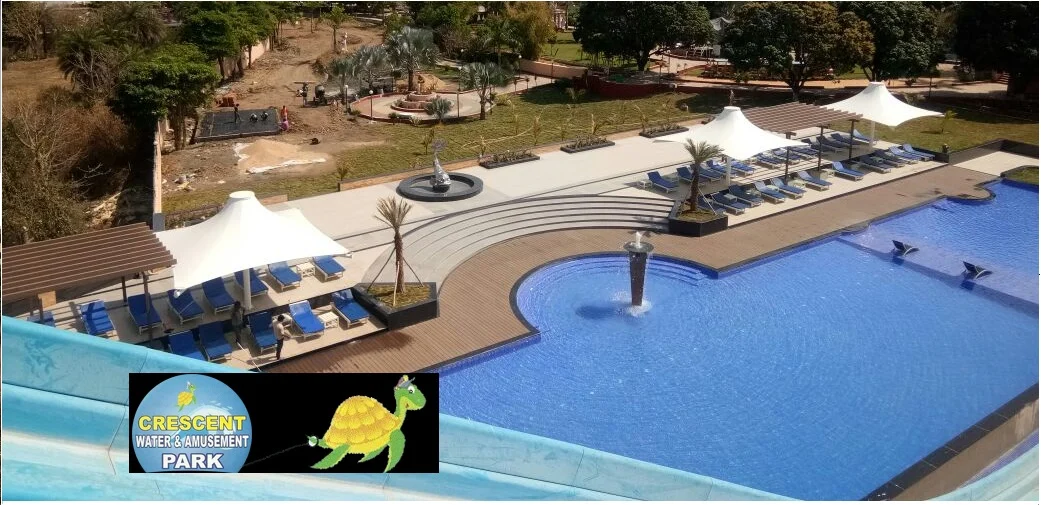
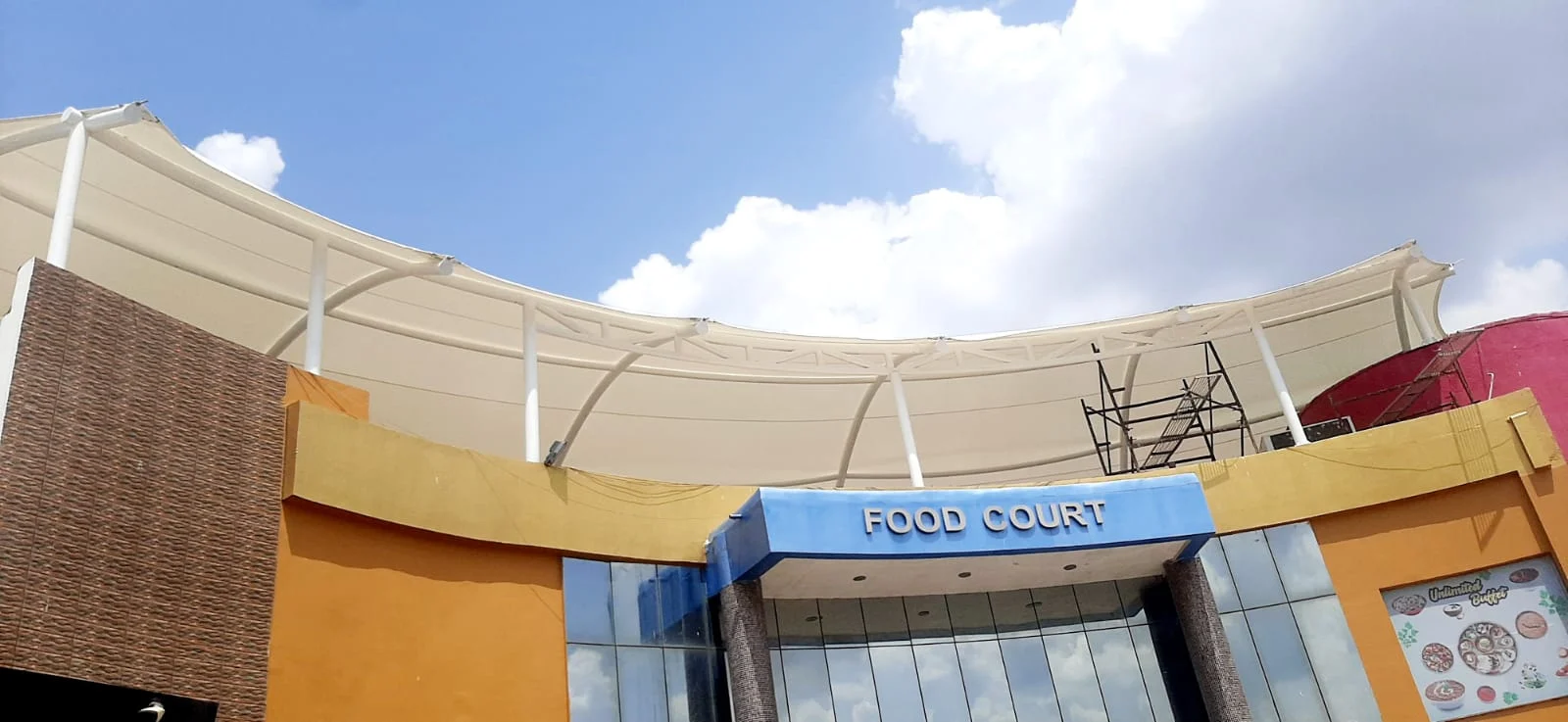
Tensile membrane structures are an ideal choice for architectural projects due to their design flexibility, cost-effectiveness, quick installation, and energy efficiency. They offer a visually striking and durable alternative to traditional roofing materials, making them suitable for a wide range of applications, from canopies to large stadiums.
Aesthetic and design freedom
Unique shapes
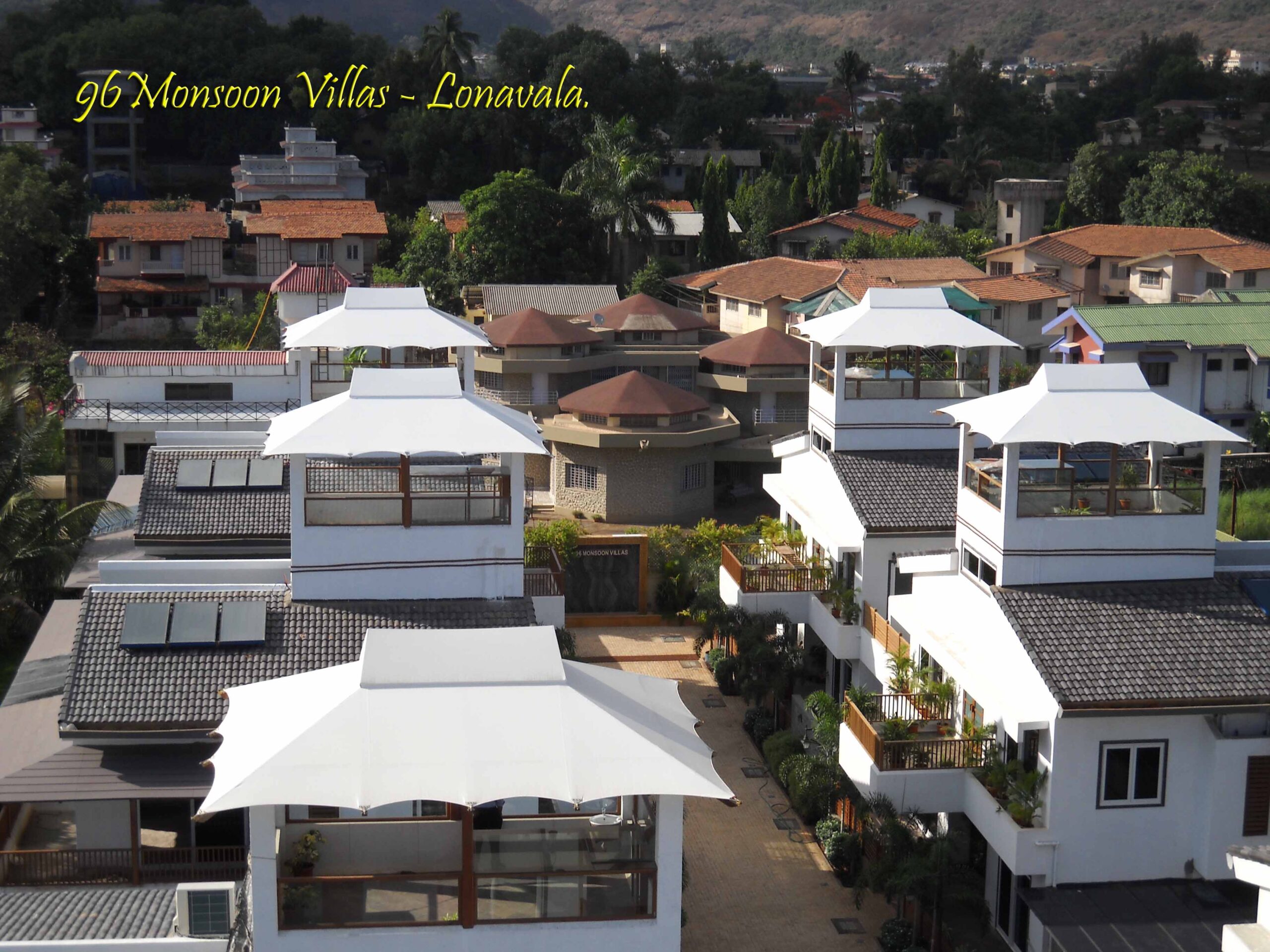
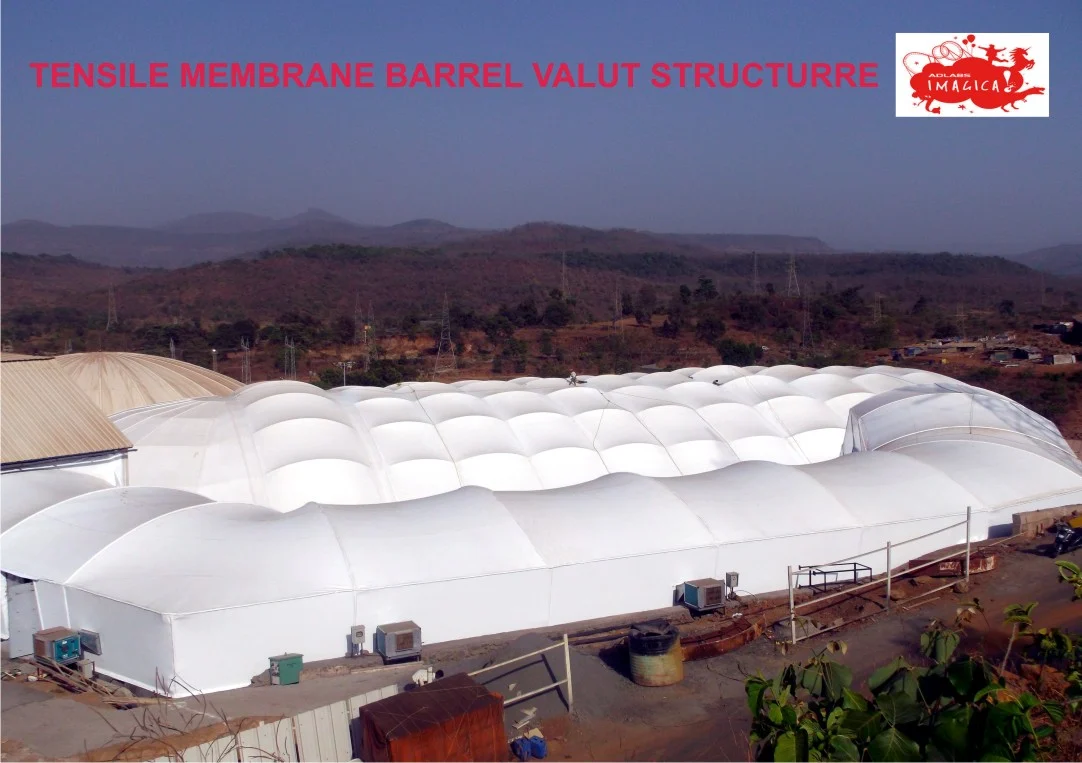
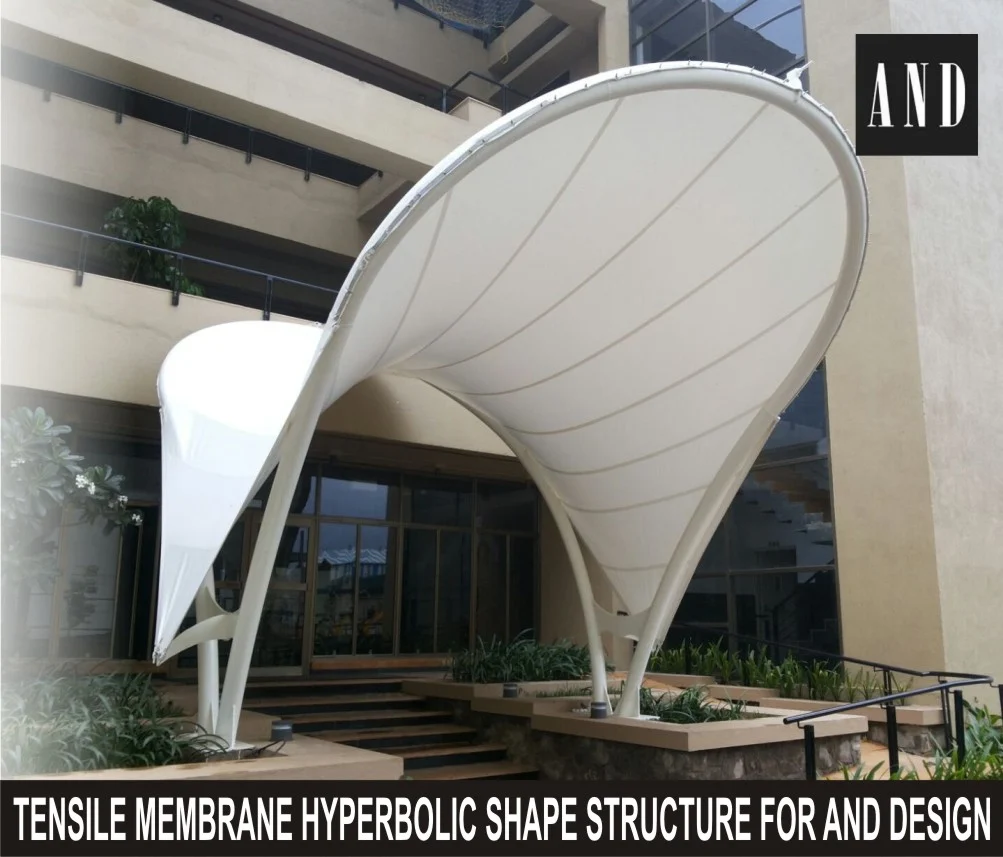
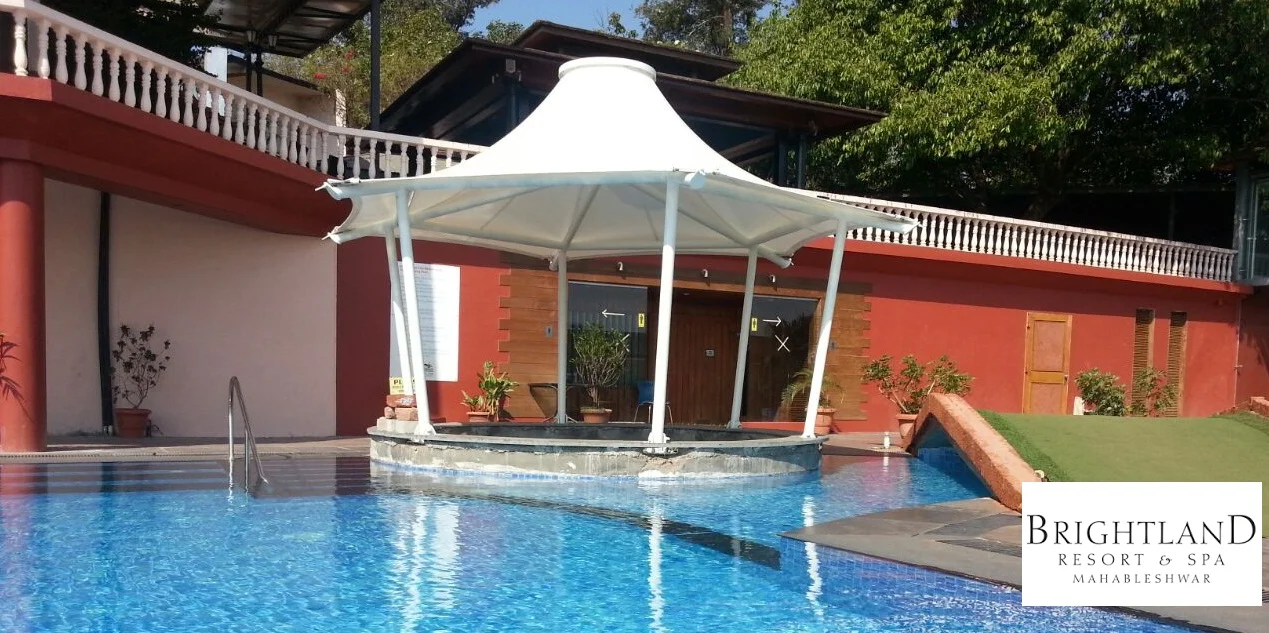
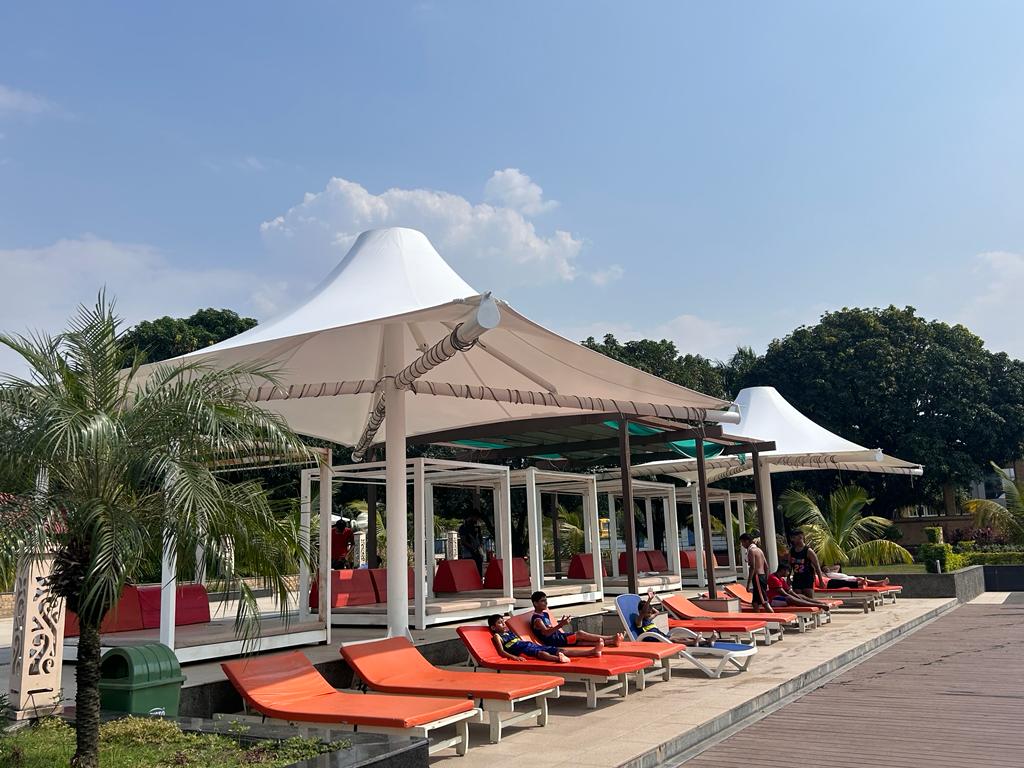
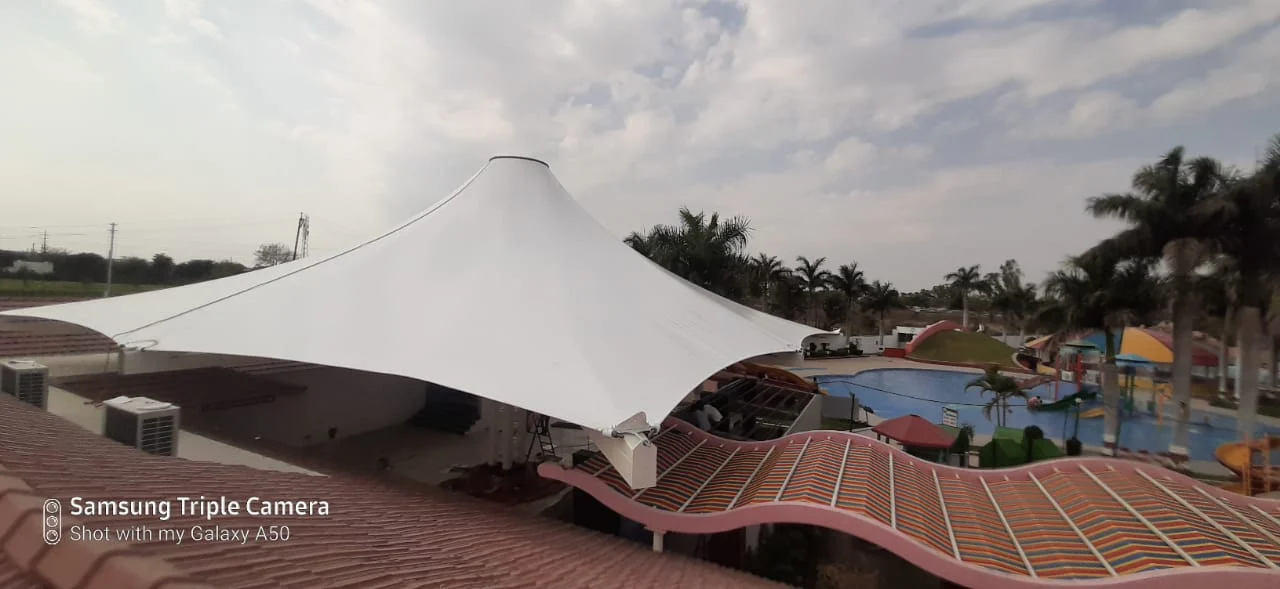
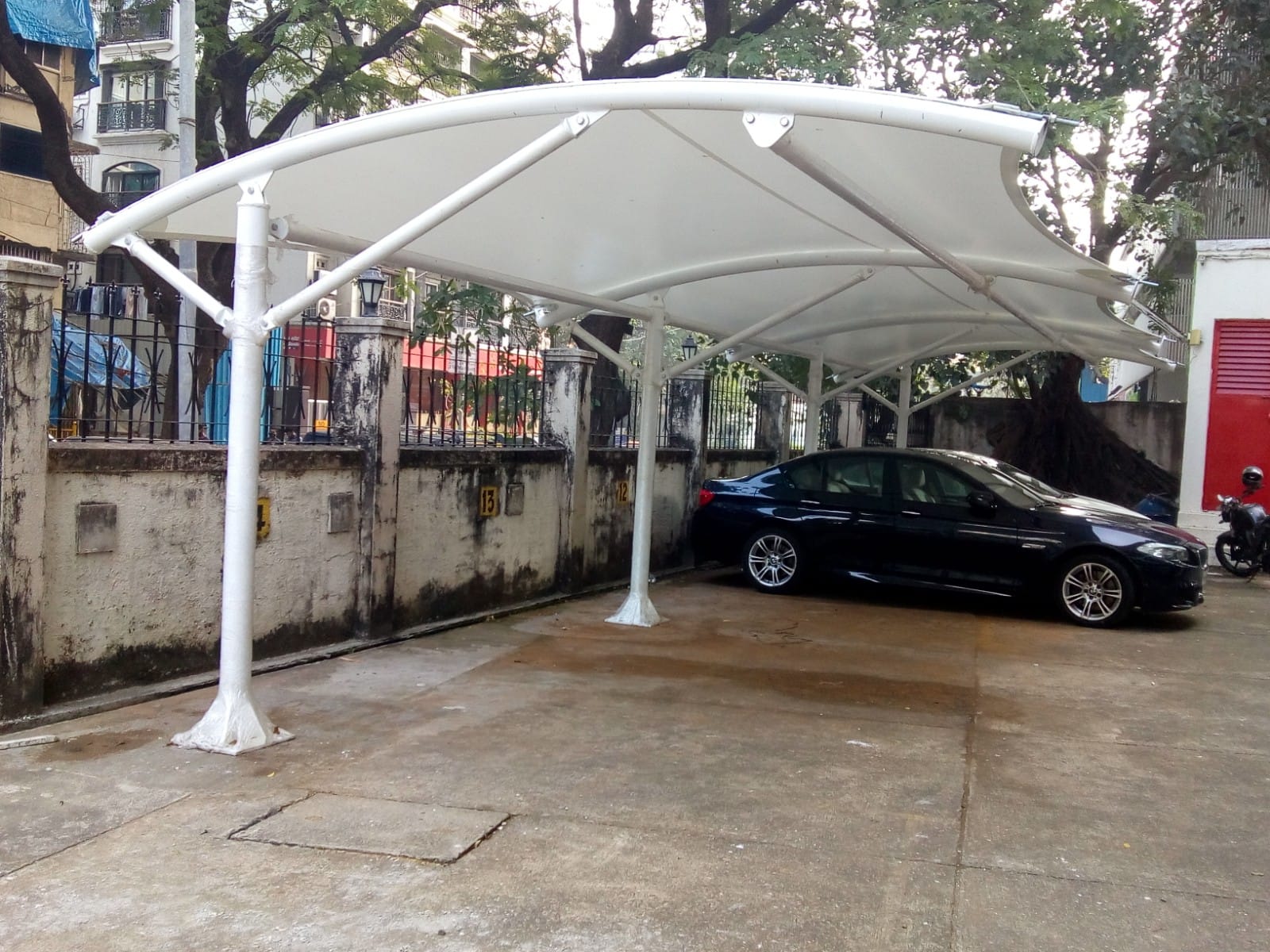
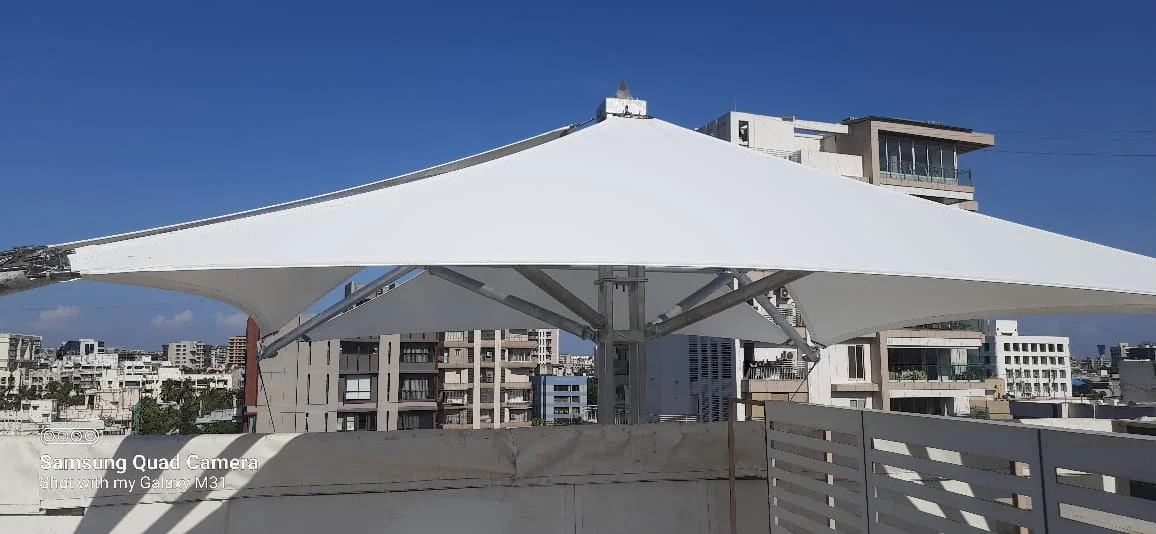
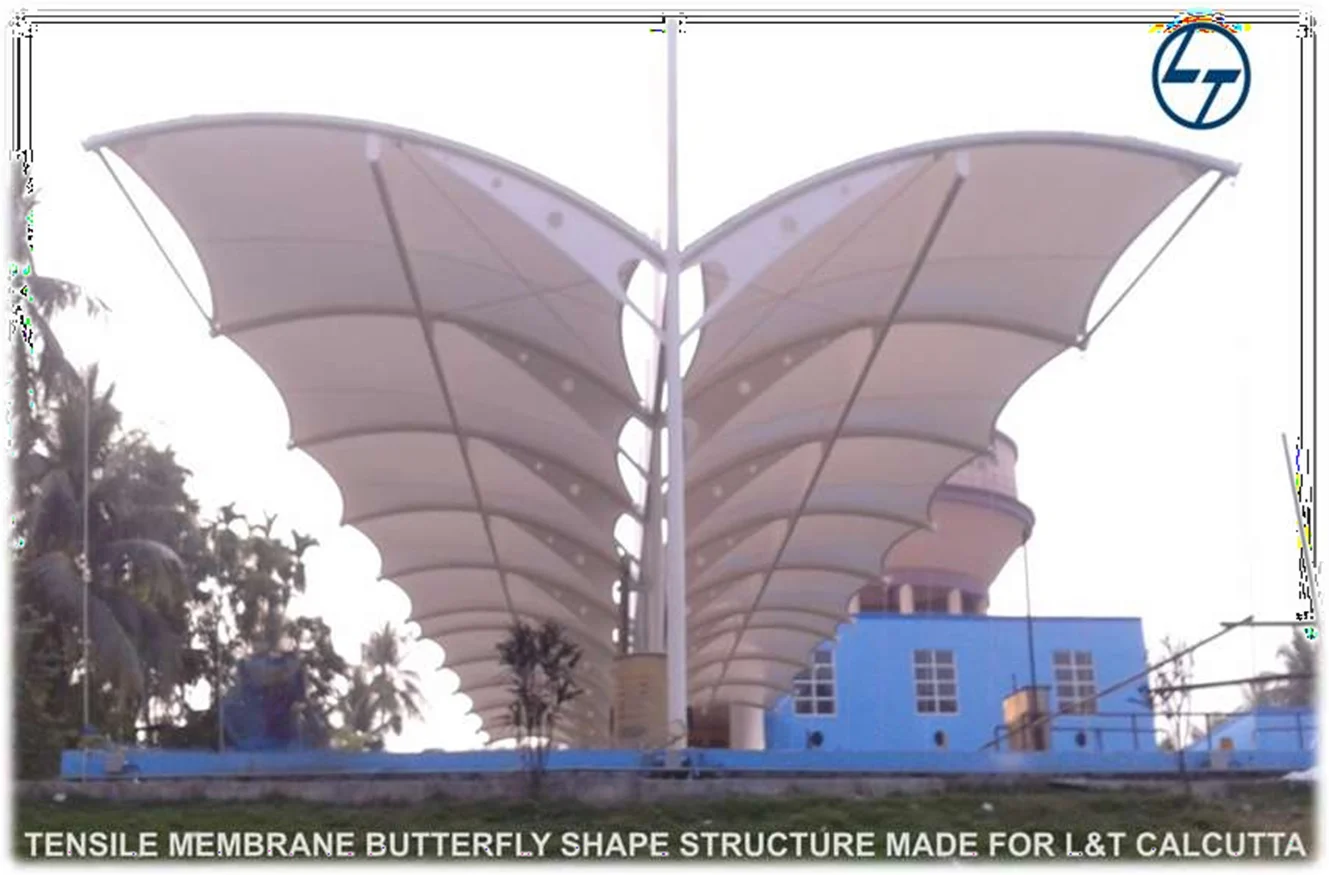
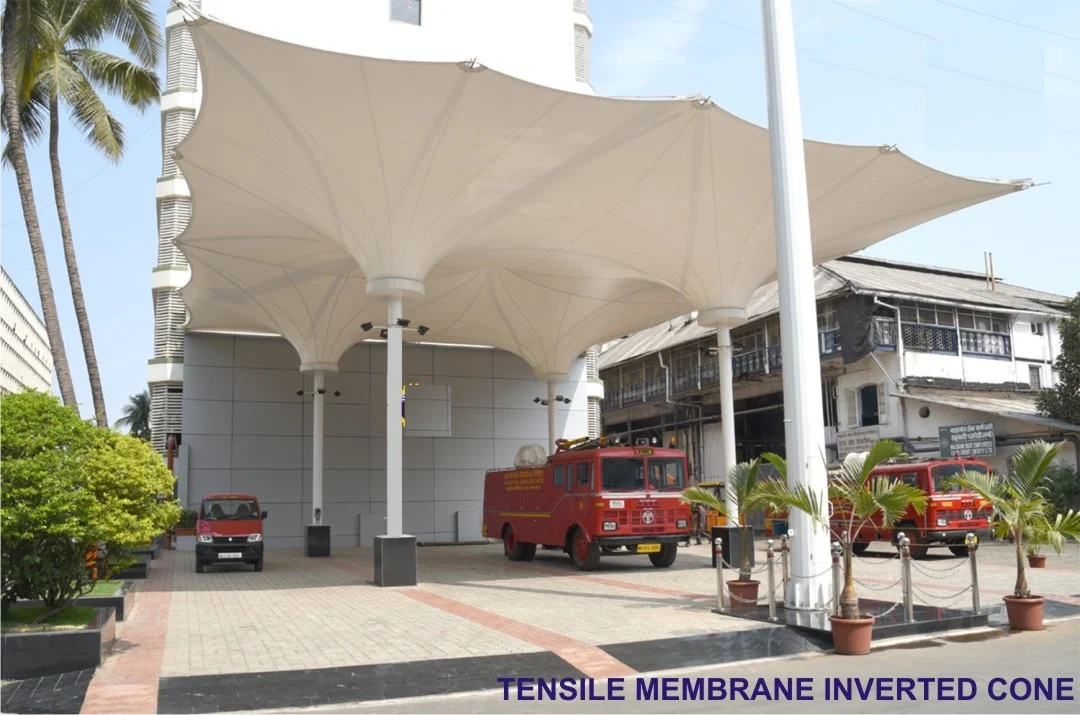
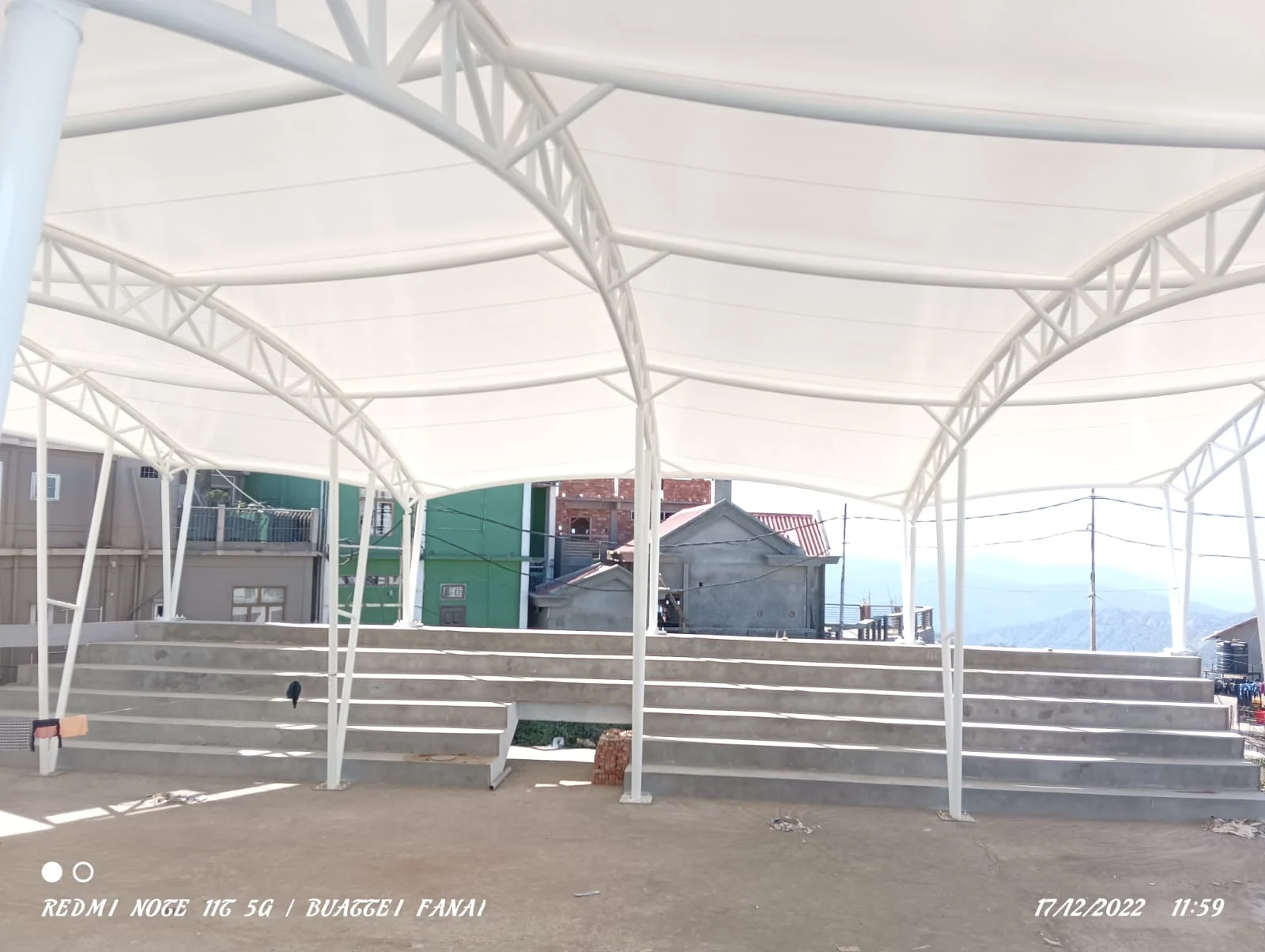
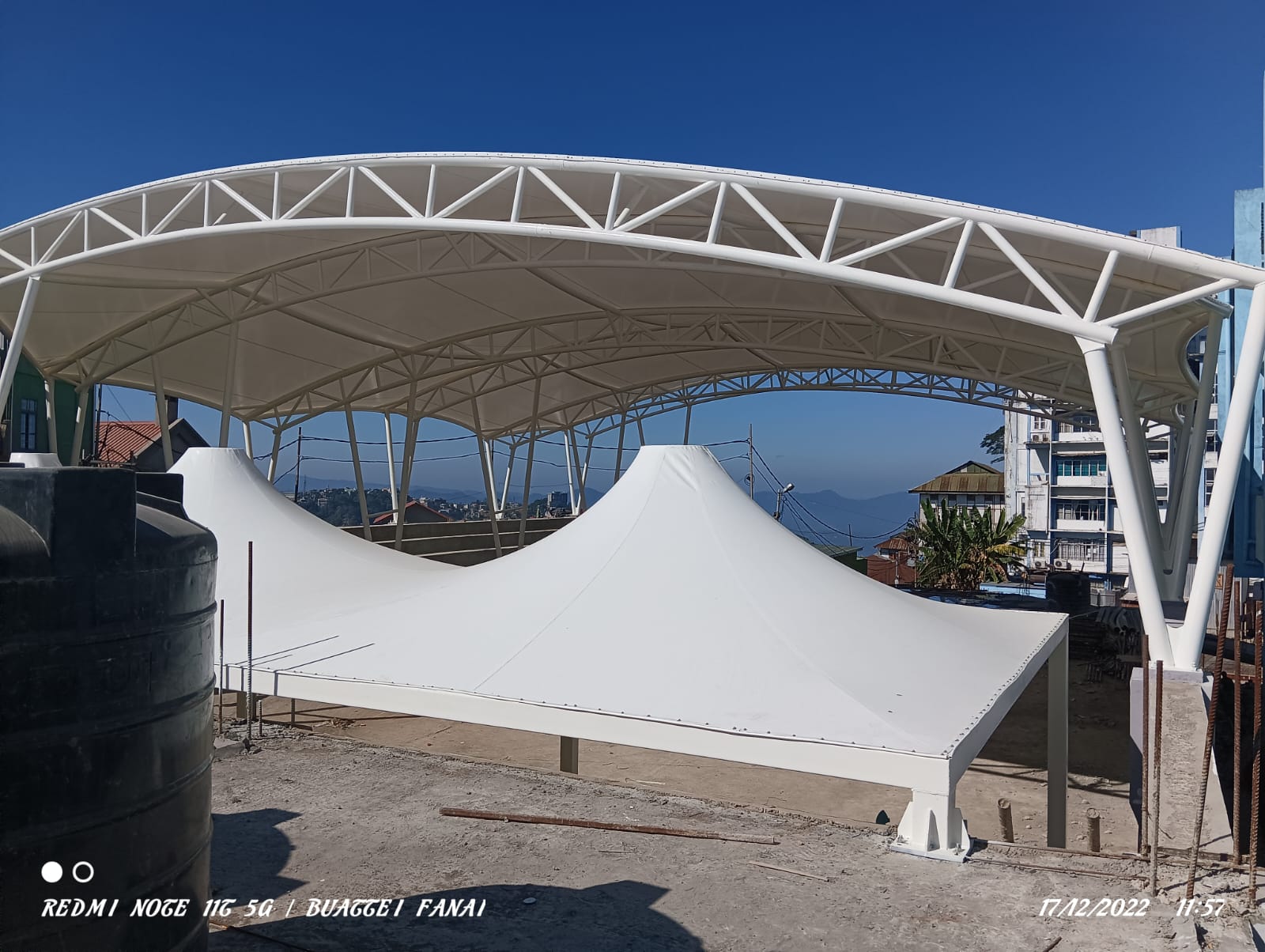
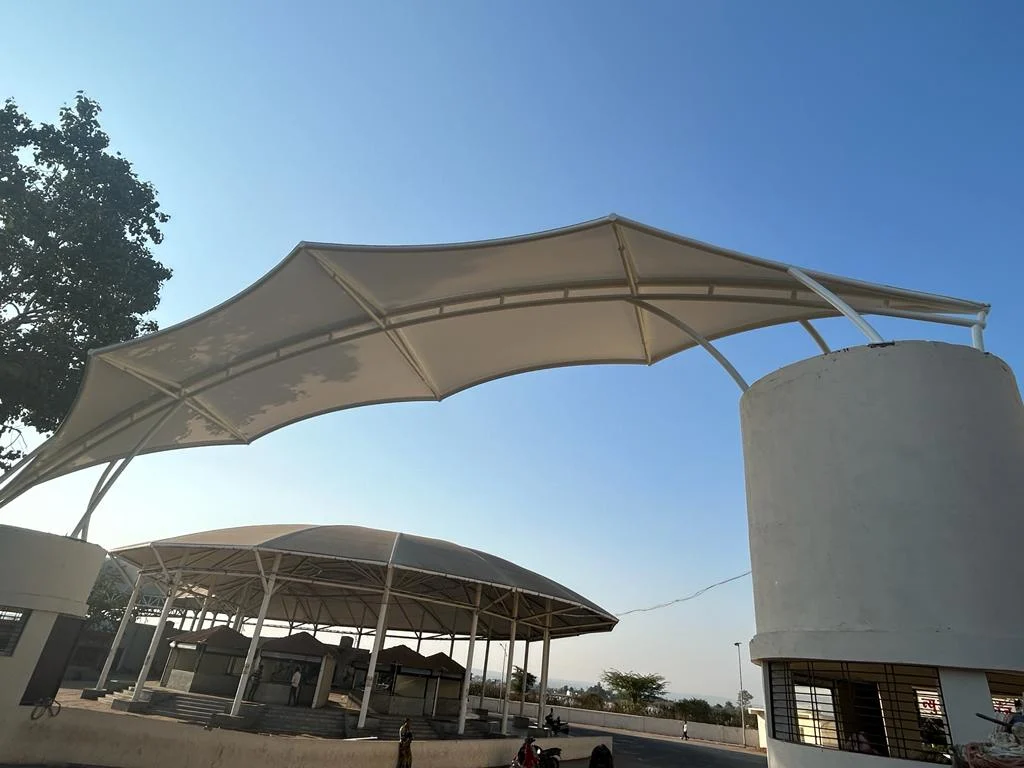
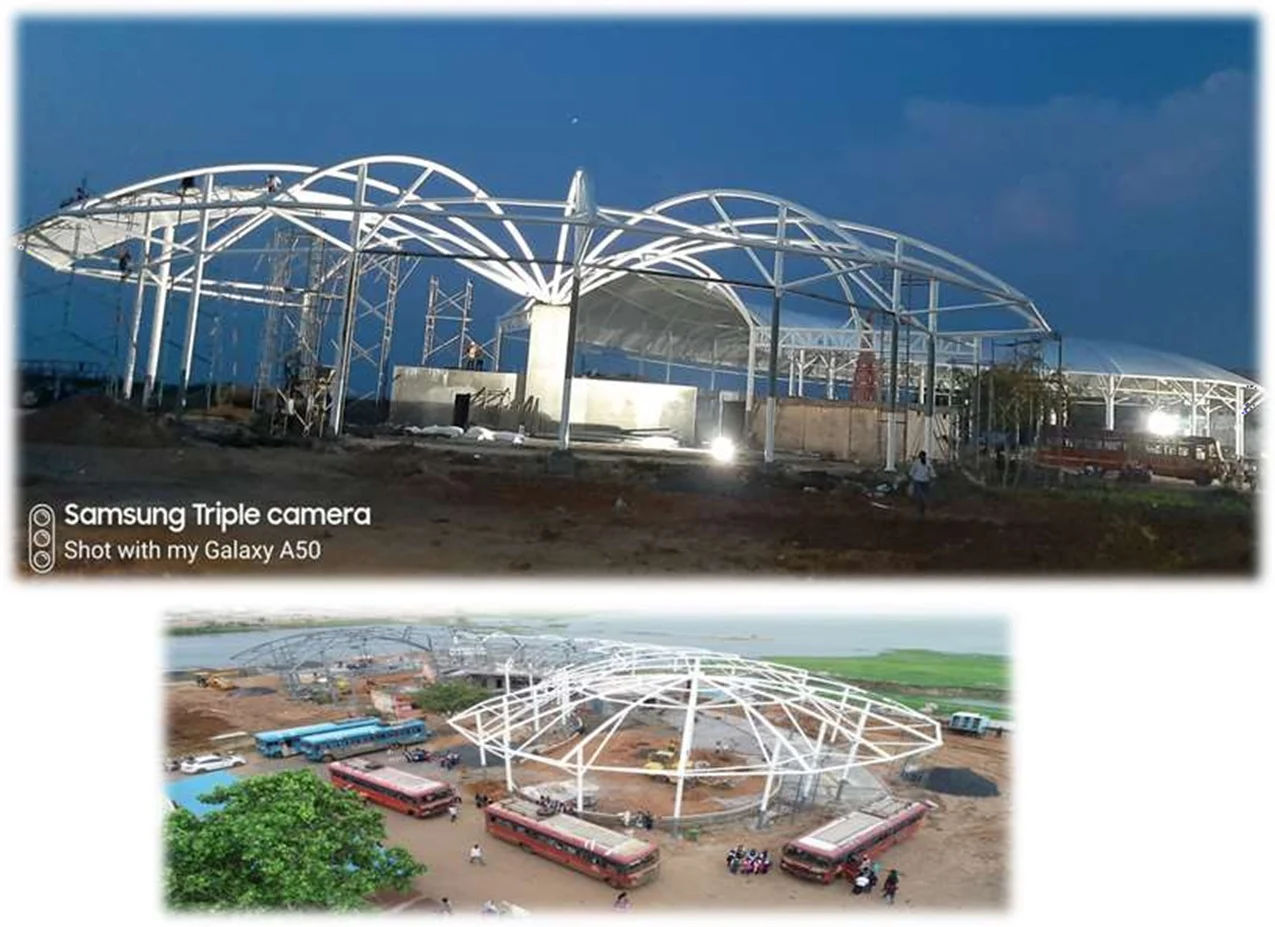
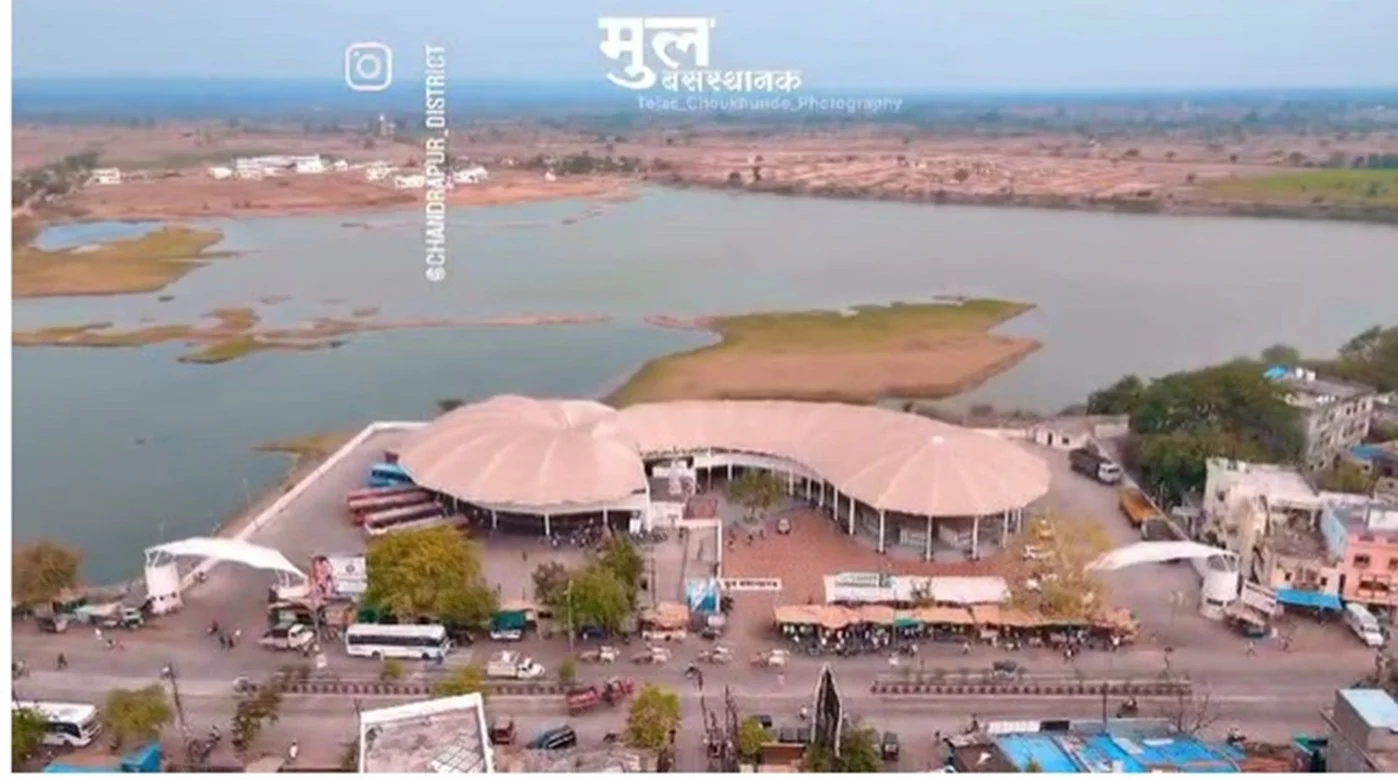
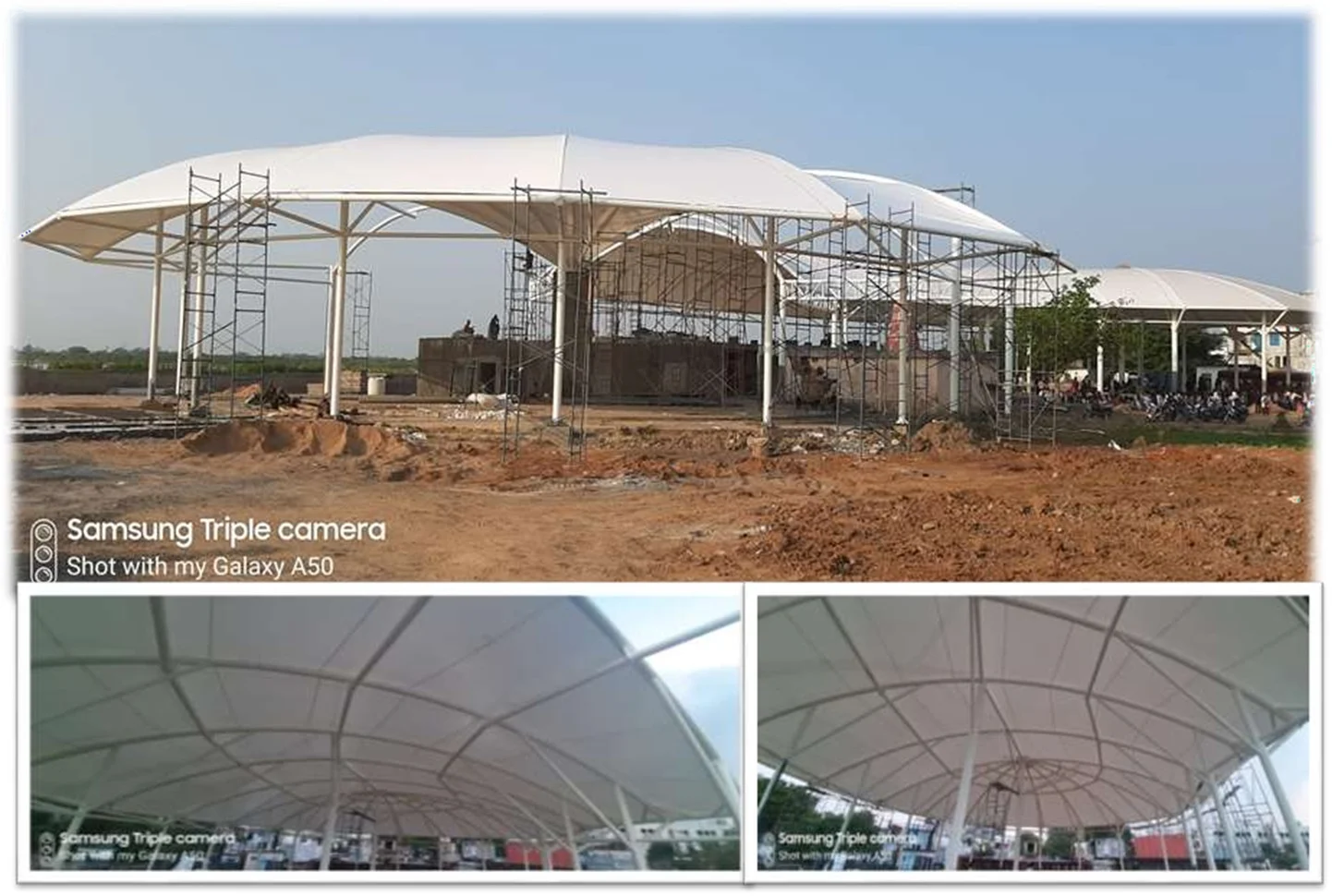
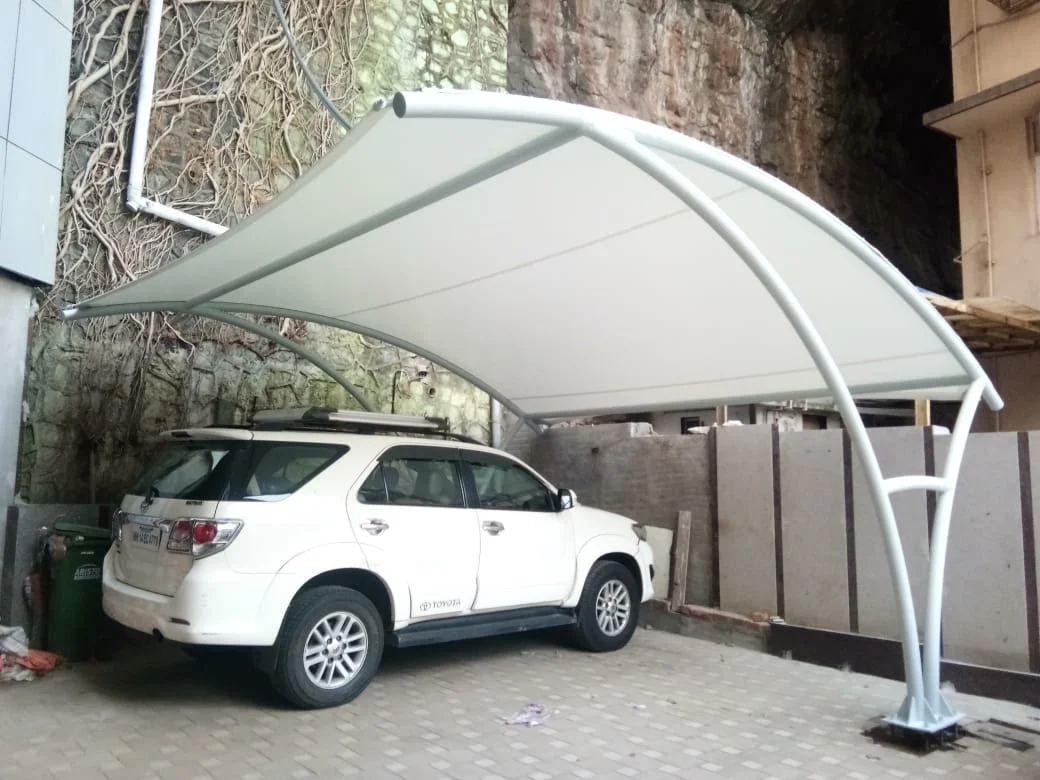
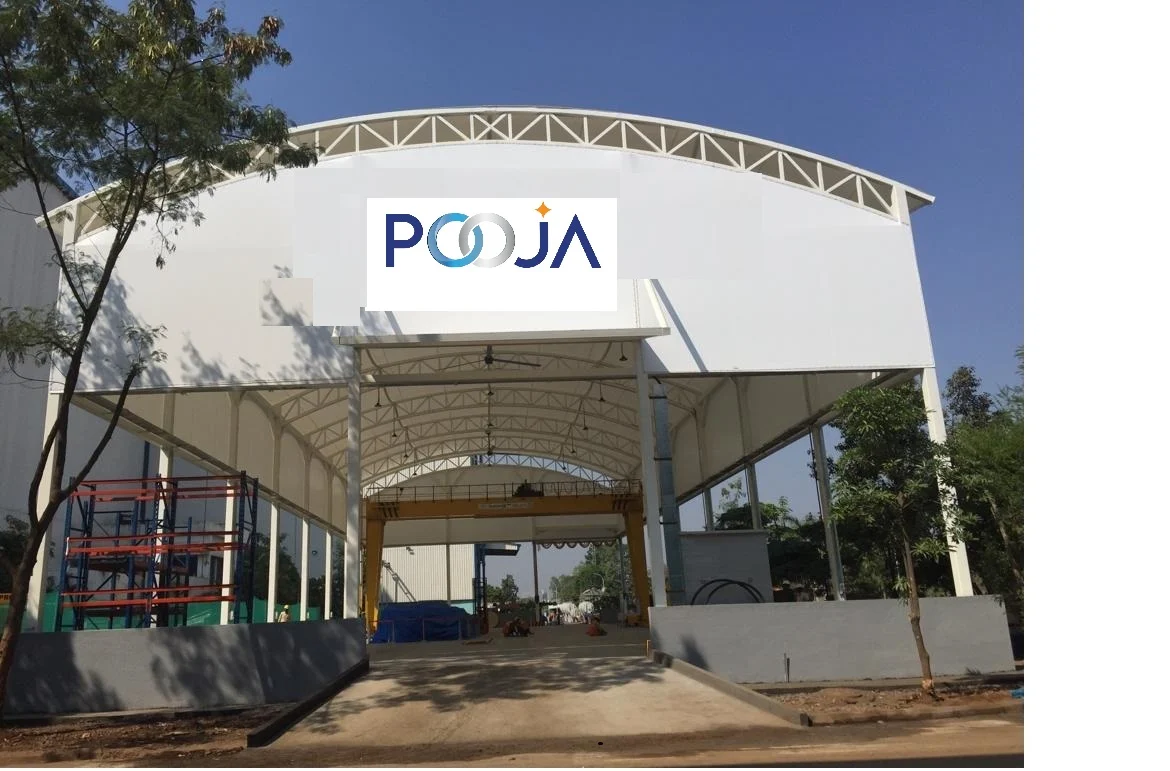
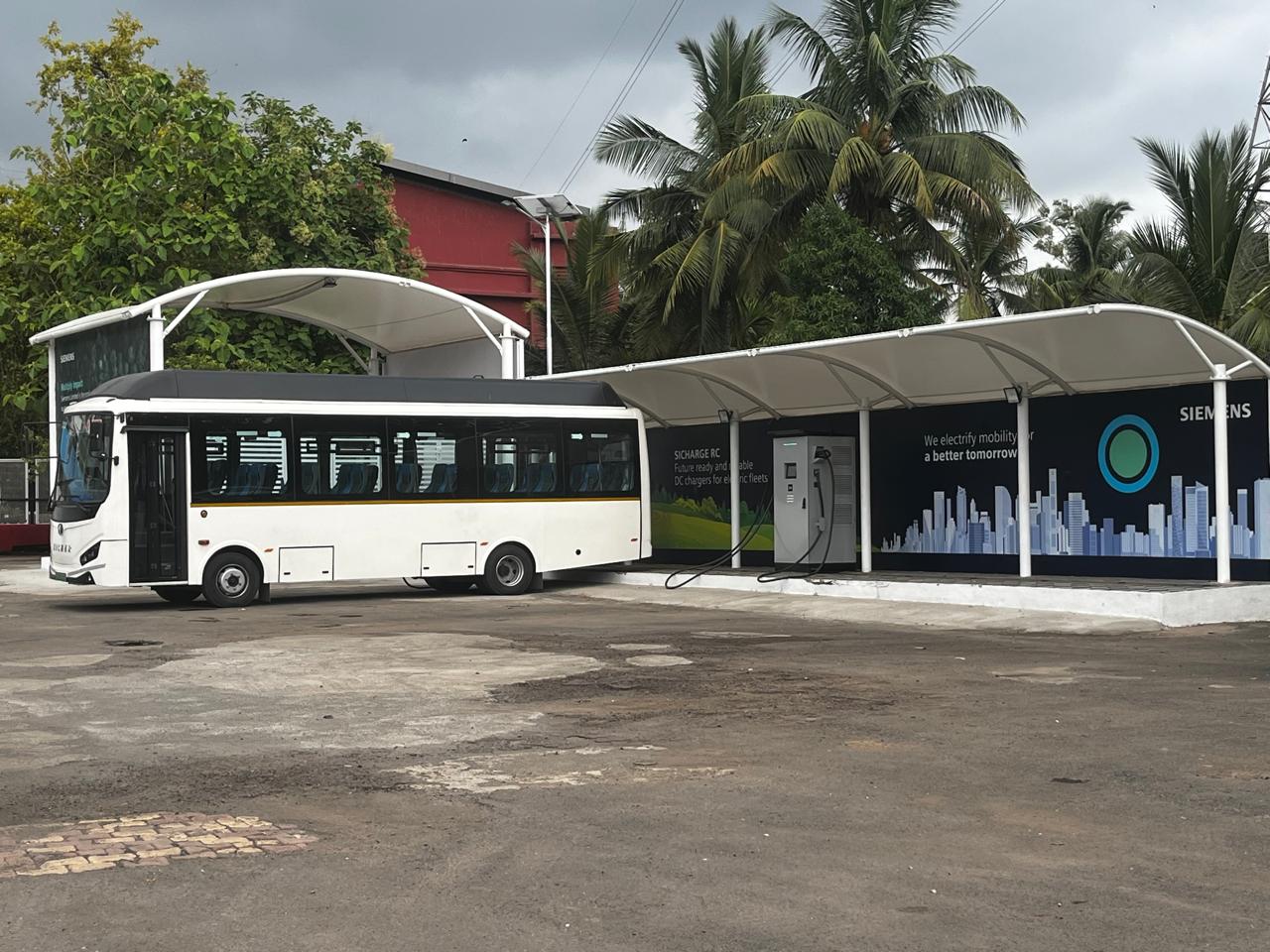
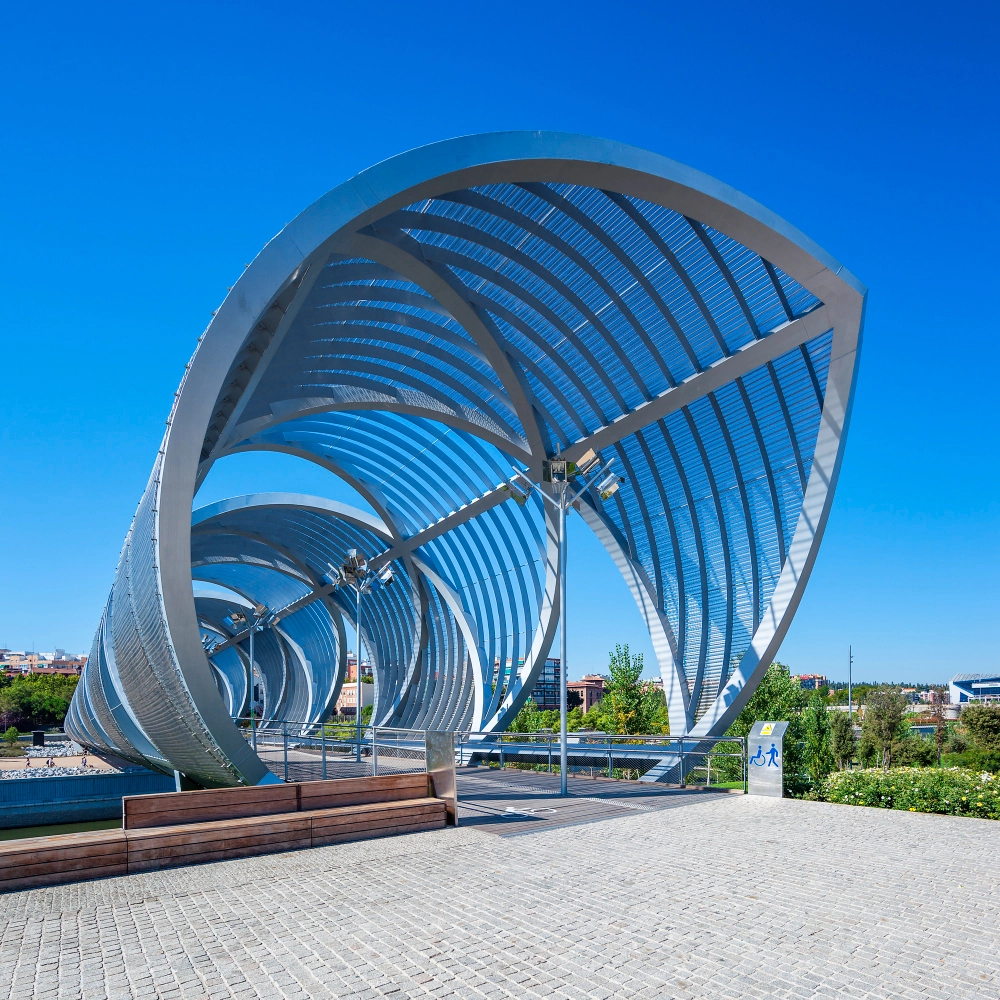
Tensile fabrics allow architects to create imaginative and iconic three-dimensional forms that would be difficult or impossible with conventional materials. The membranes can be shaped into cones, hyperbolic paraboloids, and barrel vaults.
Translucent and dynamic
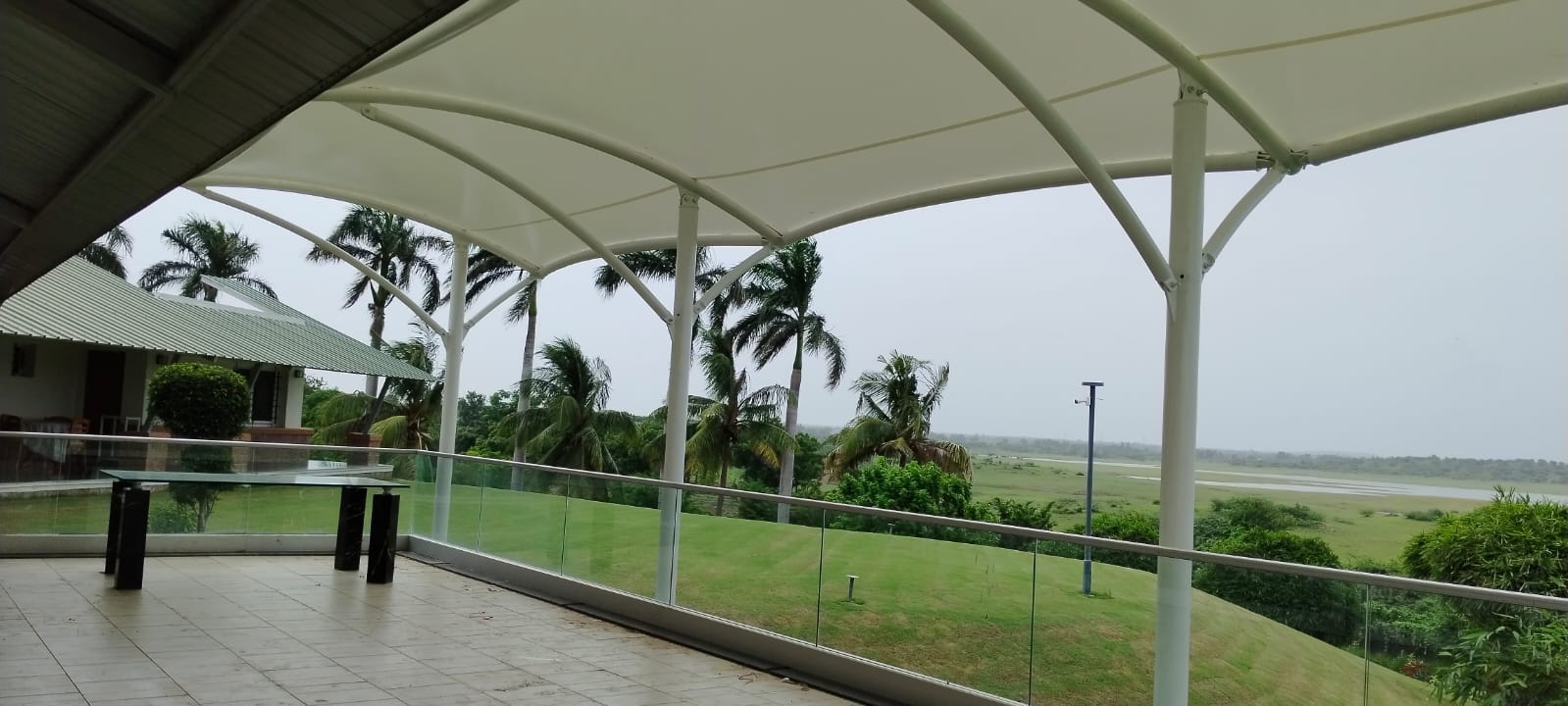
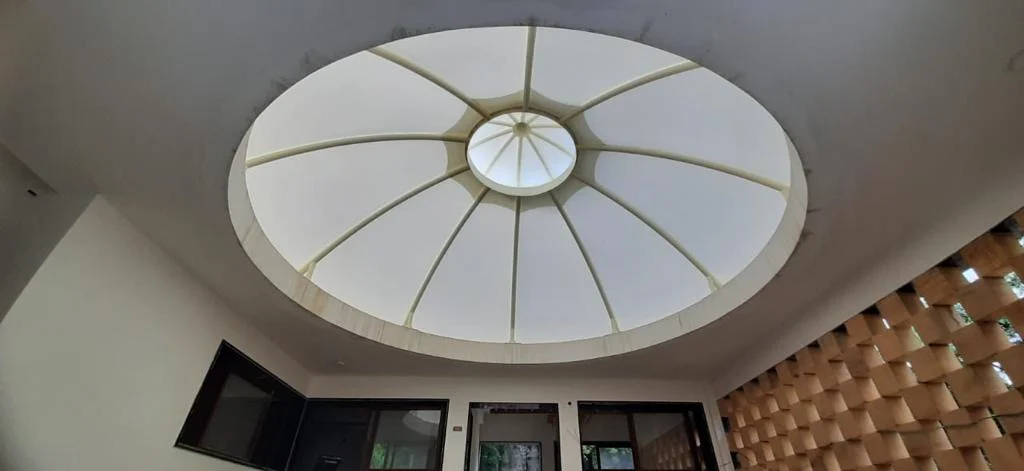
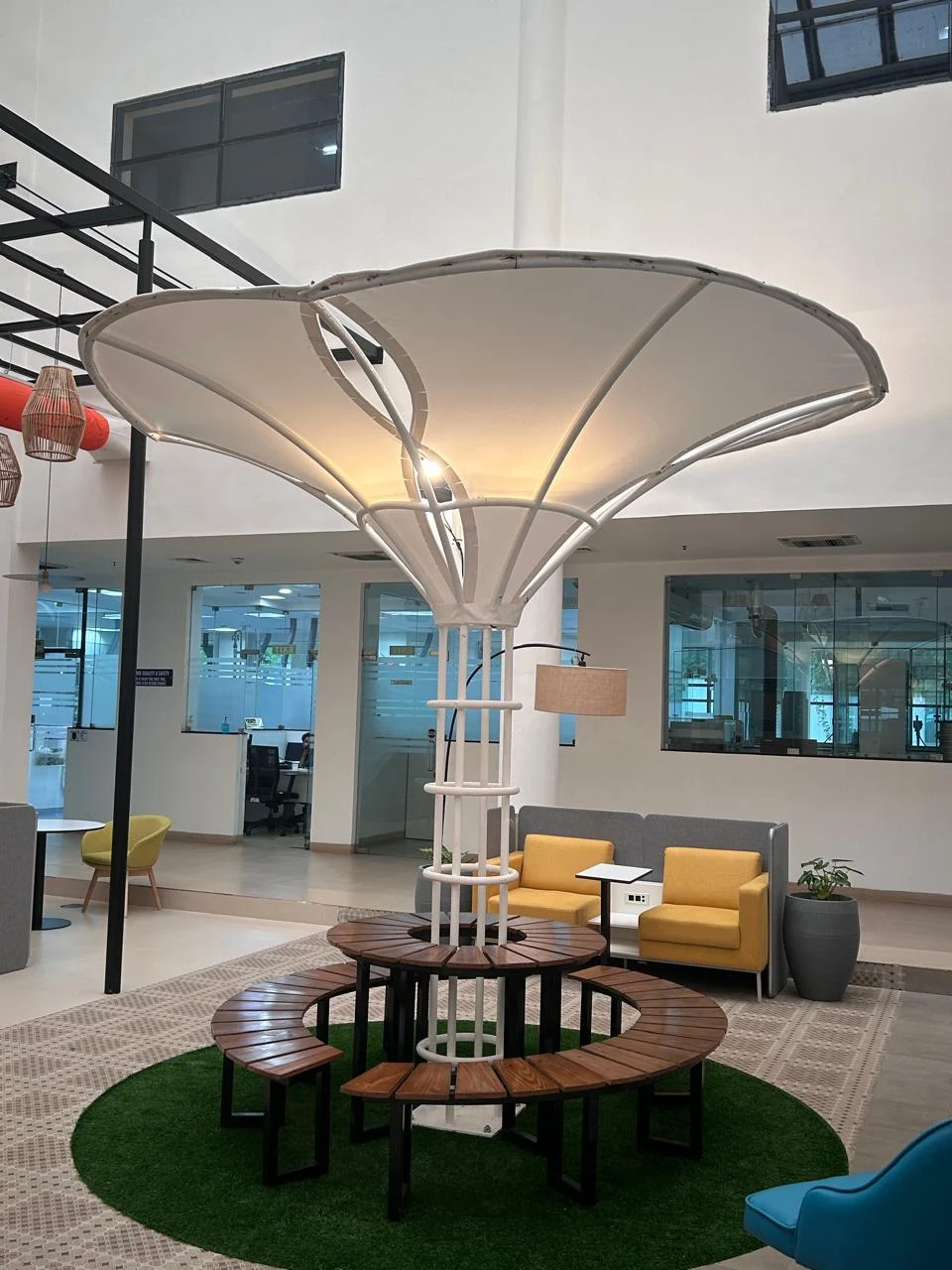
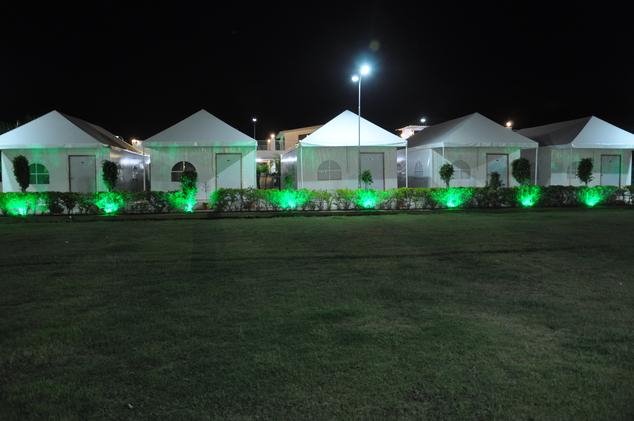
The translucent property of most tensile fabrics allows soft, natural light to filter through, reducing the need for daytime artificial lighting and creating a bright, inviting space. At night, artificial lights can be used to create a glowing visual effect.
Customization
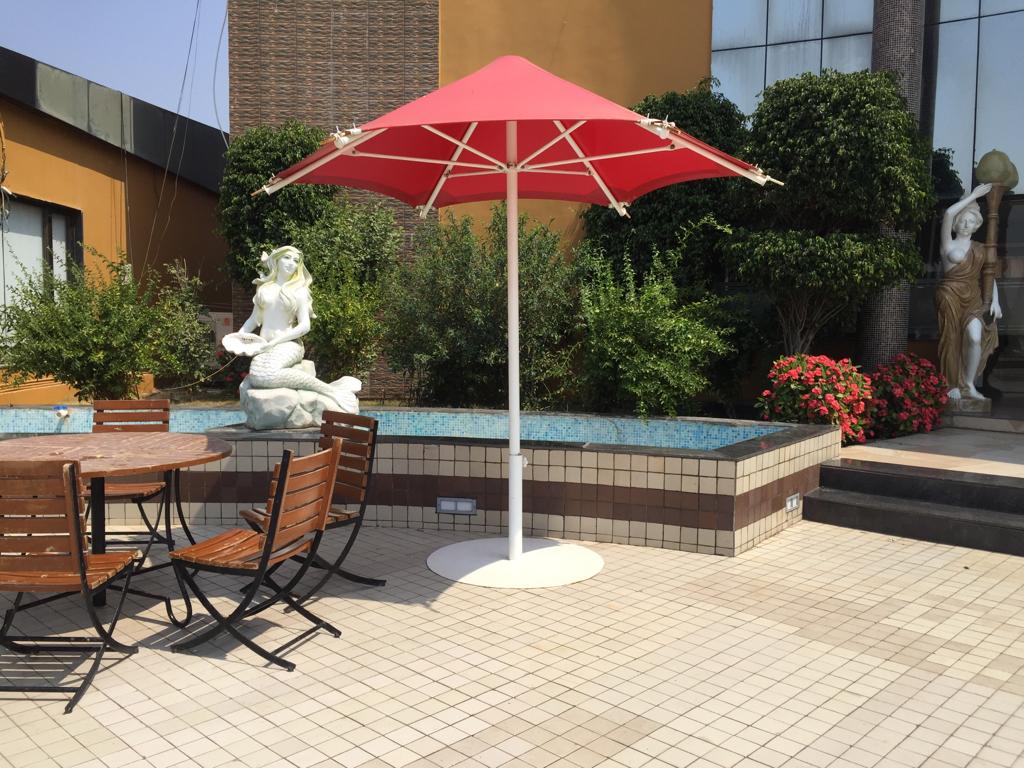
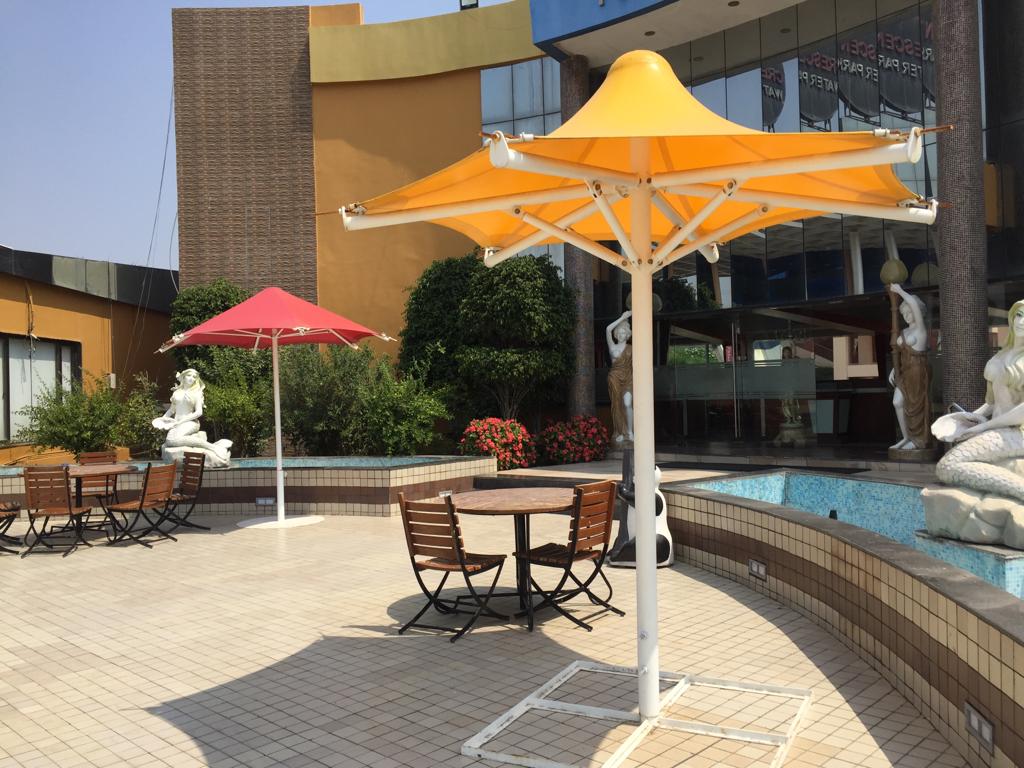
Fabrics are available in various colors and patterns, enabling a high degree of customization to match existing branding or architectural themes
FAQ
• What is a tensile fabric structure?
• What are the main components of a tensile structure?
• What is the design and manufacturing process like?
- The process typically involves:
- Design & Concept: Transforming the client’s idea into a visual and functional concept.
- Engineering & Analysis: Performing structural calculations using specialized software to ensure feasibility and durability, and obtaining necessary certifications for permits.
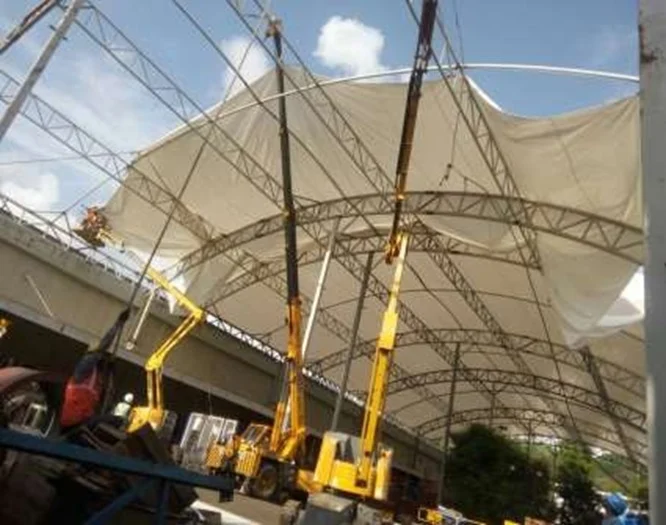
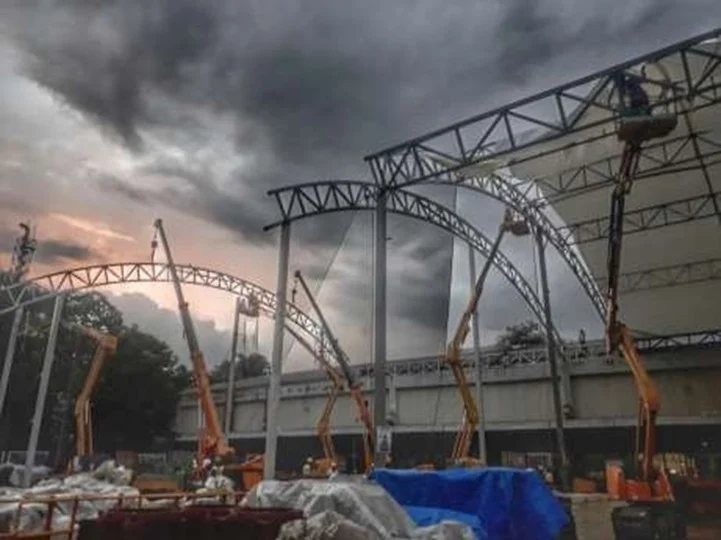
- Manufacturing: Fabricating the steel framework and cutting/sealing the fabric membrane off-site in a controlled facility.
- Installation: Assembling the prefabricated structure on-site, which typically takes a short time and minimal disruption.
• How much do tensile fabric structures cost?
Costs vary significantly based on project size, complexity, materials used (e.g., PVC vs. PTFE), engineering requirements, and site logistics. A detailed project discovery and proposal are needed for an accurate price.
• What maintenance is required?
Years
of Experience
CONTACT US
Let's Talk
Have any questions? Our team is here to connect with you. Drop us a message and we will get back to you within 24 hours.